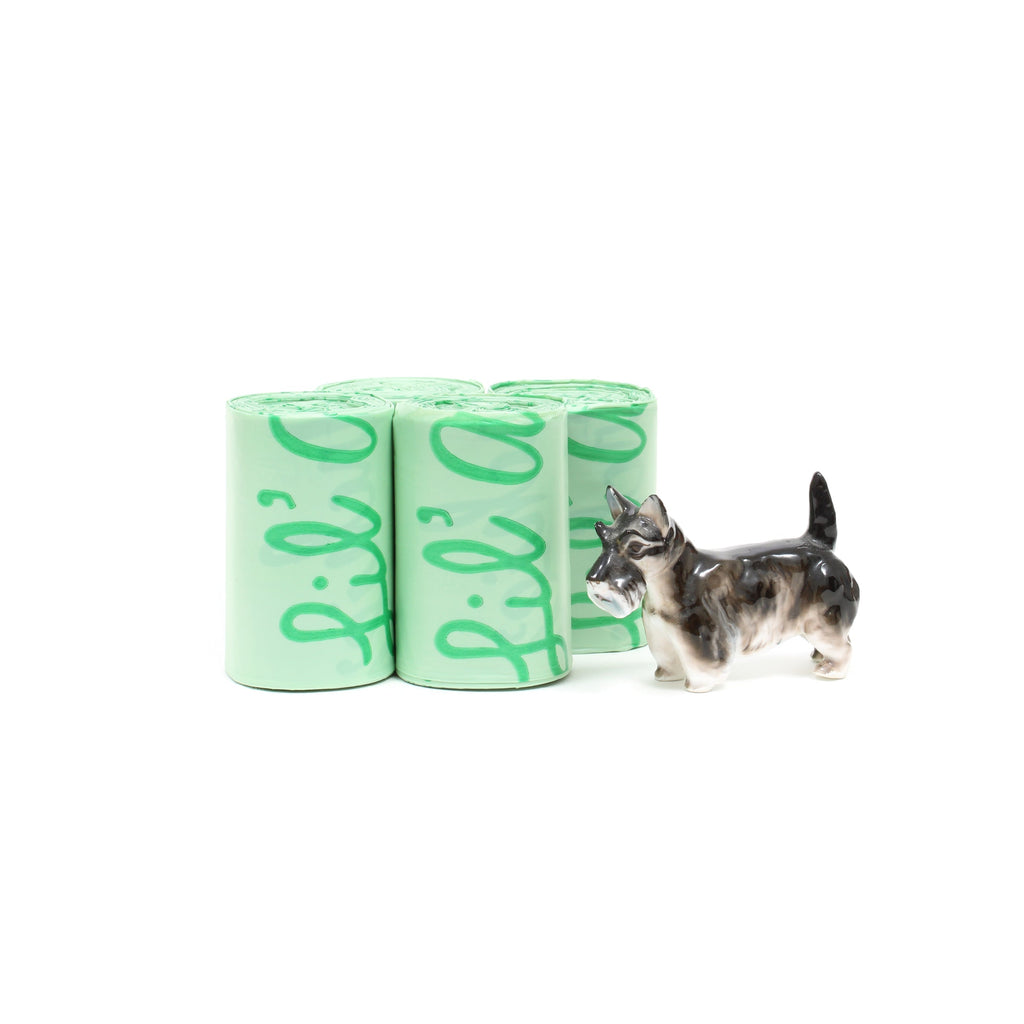
Understanding the Eco Impact: Why Compostable Dog Waste Bags Made in the USA Matter More Than Ever
If you consider your daily walk with your dog a mindful moment, you're not alone—and for many of us at Lil' Archie's, that routine is also our front line in protecting the planet. Every time we pick up after our pups, we make decisions that add up in quiet ways. That's why choosing compostable dog waste bags made in the USA deserves a deeper look. There's more to this simple swap than just feeling less guilty on the sidewalk. Here's what truly sets this choice apart for earth-conscious dog lovers like us—and why it matters now more than ever.
The Problem Behind Conventional Dog Waste Bags
With over 65 million dogs in the U.S., the tiny gesture of cleaning up after our pups creates an unforeseen environmental burden. Conventional dog waste bags, made from petroleum-derived polyethylene, don't just vanish—they persist in landfills for up to 400 years, fragmenting into microplastics that contaminate soil, water, and even the food chain. Multiply your daily habits over the year, and you'll see just how quickly billions of these bags accumulate.
- Plastic longevity: Standard bags take centuries to decompose.
- Microplastics pollution: As plastics degrade, they leave a legacy of microscopic contamination.
- Constant fossil fuel extraction: Each new roll of bags means more oil extracted and refined, further fueling greenhouse gas emissions.
Compostable Dog Waste Bags: Real Meaning and Misconceptions
"Compostable" is more than a buzzword. Authentic compostable dog waste bags—like the vegetable-based bags from Lil' Archie's—are engineered to break down into water, CO₂, and organic biomass during composting, leaving no harmful residues or microplastics. But the eco-labeling landscape is crowded and sometimes confusing, so let's clarify key terms:
- Compostable: Certified to disintegrate into non-toxic matter in the right compost environment.
- Biodegradable: A vague term; may still contain fossil-fuel plastics breaking down into smaller plastics over time.
- Oxodegradable: Additive-laced plastics that break up faster, often worsening microplastic pollution.
For us, and for anyone serious about environmental stewardship, certified compostable and plant-based bags offer the surest way to avoid perpetuating the plastic cycle.
The Reality Check: Compostable Bags Aren't a Perfect Solution
Here's where we need to be honest. Most U.S. household trash—dog poop included—is still landfilled. Landfills are compacted, low in oxygen, and dry—conditions where compostable bags degrade almost as slowly as plastic ones. When these bags do break down, they may do so anaerobically, creating methane, a potent greenhouse gas. And because most industrial composting facilities do not accept dog waste due to pathogens, disposing of it responsibly is a genuine challenge. Misleading labels and a lack of rigorous oversight for "green" terminology only compound the problem.
Why "Made in the USA" Makes a Genuine Difference
It isn't just about buy-local pride or supporting homegrown businesses—though those are real pluses. When you choose dog waste bags made in the USA, you're making a multi-layered impact:
- Lower shipping emissions: We skip the carbon footprint of ocean crossings and long-haul supply chains.
- Stronger environmental oversight: U.S. manufacturers face higher standards for chemical safety, labor, and sustainability. Transparency is also easier—curious customers can reach us directly instead of a distant factory.
- Support for circular, local green economies: Buying domestically funds local jobs, inspires innovations in sustainable packaging, and grows the market for eco-driven materials.
For more, see our deep dive into How New Tariffs Are Shaping the Value of USA-Made Eco-Friendly Pet Products.
The Ecological Value of Plant-Based, Compostable Bags (Even When the System Isn't Perfect)
- Lower carbon footprint: Plants absorb CO₂ as they grow, offsetting the emissions for the raw material.
- Less fossil fuel dependency: Choosing compostables reduces the need for new plastic, a benefit even if landfill is the end of the line.
- Microplastic-free decomposition: With proper composting, our bags (unlike most alternatives) leave behind nothing but organic matter.
How to Use Compostable Dog Waste Bags Responsibly
If Trash is the Only Option
- Keep using certified compostable, plant-based bags, as these still support better material choices and avoid plastic additives.
- Use only the necessary amount—one sturdy bag is generally enough for a walk.
Home Composting for Dog Waste: Steps for Safe Practice
- Check your local regulations to make sure it's allowed.
- Choose a spot at least 10-15 feet from gardens, wells, or play areas.
- Install a dedicated composter (bin or in-ground barrel) with gravel at the base for drainage.
- Start with a layer of dry carbon materials (shredded paper, dry leaves).
- Add dog waste in compostable bags, cover each addition with "browns."
- Stir every few weeks and monitor moisture.
- Allow 12-24 months for the breakdown before using compost (only on non-edible plants).
Dog waste compost should never be applied to edible plants, but it can nurture ornamentals, trees, or lawns once fully cured. For a deeper guide, see How Compostable Dog Waste Bags Made in the USA Help Reduce Carbon Footprint.
Are Recycled-Plastic Dog Waste Bags a Better Alternative?
Some experts suggest that in regions where composting isn't an option, and everything goes to landfill, bags made from recycled plastic can be less carbon-intensive than new plastic or compostables that won't break down. That said, plant-based compostables still help grow demand for renewable base materials and sidestep the problem of microplastics. The ideal choice depends on your local system and your willingness to compost, but the momentum for change is increasingly on the side of compostables.
Building a Complete Sustainable Dog Walking Kit
For us, sustainability goes beyond just what's in our pockets. Every part of your walk routine can be greener—leading to less waste and a richer sense of connection with your planet and community.
- Compostable Dog Waste Bags: Our vegetable-based, certified compostable bags help cut upstream plastic waste.
- Eco-Dispensers: Designed to fit our bag rolls, these are made from partially recycled canvas or 100% cotton denim, slashing the daily use of single-use plastics.
- Eco-Bandanas & Frenchie Twist Neckties: Dress your dog in accessories crafted from organic cotton or sustainable fabrics, printed using water-based, non-toxic inks. These accessories are as much about reducing waste as expressing joy and personality.


By focusing on product longevity and gentle care (machine wash on cool, air-dry when possible), you can significantly extend the usable life of bandanas and accessories. This is one of the most under-appreciated sustainable acts you can do as a pet parent: buy thoughtfully, care well, and avoid waste from replacements or returns. For a fabric deep-dive, see Why Digital Printing on Organic Cotton Knits is the Eco-Friendly Future of Pet Accessories.
Quick Reference: Sizing Tips for Bandanas & Neckties
- For bandanas (Classic or Organic Knit):
- Small: 21" (for 10-14" neck)
- Medium: 25" (for 15-19" neck)
- Large: 30" (for 20-24" neck)
- For Slimline Bandanas:
- Small: fits 8-12" neck
- Medium: fits 13-17" neck
- Large: fits 18-22" neck
- For Frenchie Twist Neckties:
- Small: 23-24" (for 10-12" neck)
- Medium: 29-30" (for 14-16" neck)
- Large: 37-38" (for 20-22" neck)
What an Eco-Friendly Walk Looks Like for Us
- Start with compostable dog waste bags sourced as locally as possible.
- Use a reusable dispenser made from recycled fabric.
- If you can, compost at home with proper precautions. Commit to turning your compost every few weeks.
- Dress your pup in durable, eco-friendly accessories that last beyond the season.
- Take good care of your walking kit—gentle washing, minimal packaging waste, smart storage.
Why Conscious Choices on Your Daily Dog Walks Matter
It's easy to underestimate the cumulative effect of one simple habit. But every time you pick up after your pup with the right materials, you're investing in cleaner soils, fewer plastics in the wild, and a greener system that supports ethical local business. At Lil' Archie's, every product decision is focused on that mission: making everyday routines more beautiful for us—and less wasteful for the planet.
If you want to learn more or to join our earth-first community (with plenty of stylish options for your dogs!), visit Lil' Archie's and see how small changes turn into a movement. Thank you for considering every aspect of your dog's walk—together we really can make a difference.
Related post
03
May
26
Apr
11
Jan

04
Jan
RECENT POSTS
03.May.2026
Sustainable Dog Accessories & Circular Economy: The Complete USA Pet Owner's Guide
0 Comments
26.April.2026
How Digital Printing Certifies Cleaner Fabrics: The Science Behind Eco-Friendly Pet Wear
0 Comments
11.January.2026
Understanding the Eco Impact: Why Compostable Dog Waste Bags Made in the USA Matter More Than Ever
0 Comments
04.January.2026
Understanding the Science: How Digital Printing and Organic Cotton Knit Combine for Greener Pet Accessories
0 Comments
28.December.2025
How New Tariffs Are Shaping the Value of USA-Made Eco-Friendly Pet Products
0 Comments